The Weave & Weight Index
Understanding GSM and how fabric density impacts insulation effectiveness
What is GSM?
GSM stands for "grams per square meter" and represents the weight density of a fabric. This measurement directly correlates with a material's ability to trap air and provide insulation. Understanding GSM helps you make informed decisions when selecting textiles for thermal comfort.
When comparing fabrics, a higher GSM value typically indicates a denser, heavier material that offers better insulation properties. However, the relationship isn't always linear—fiber type, weave pattern, and thickness also play significant roles.
Why GSM Matters for Insulation
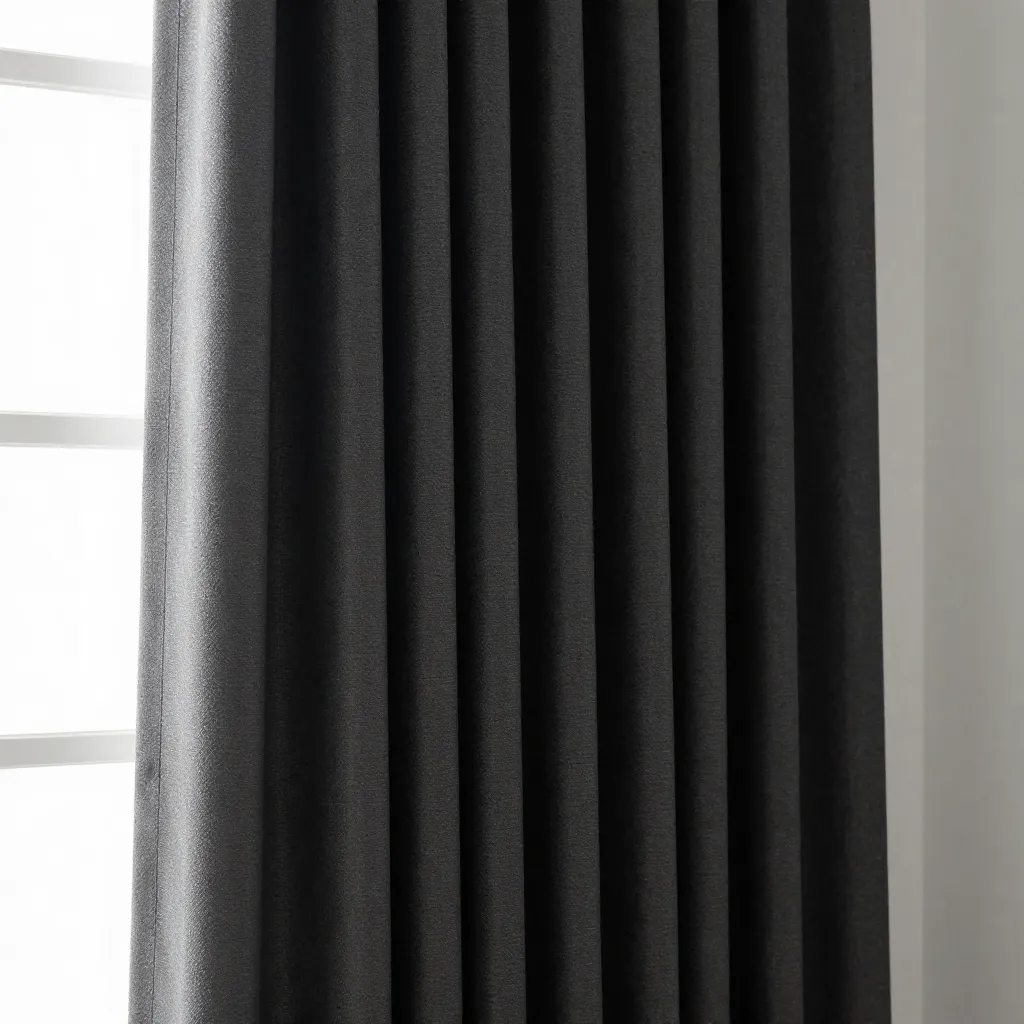
Heavier fabrics create more substantial barriers against heat transfer. A 900g velvet curtain provides significantly better insulation than a 300g linen curtain because the increased density traps more air and reduces thermal conductivity. This is especially important for windows facing cold climates or unheated spaces.
Comparing Fabric Weights
Lightweight Linen
Lightweight curtains suitable for mild climates. Provides basic coverage but limited insulation value. Best for decorative purposes or rooms with minimal heat loss.
Medium Weight Cotton
Moderate insulation suitable for most interior applications. Offers a balance between aesthetics and thermal performance. Good for standard windows and doors.
Heavy Velvet
Superior insulation for cold climates and drafty areas. Excellent at blocking drafts from windows and doors. Ideal for exterior-facing windows and unheated spaces.
Fiber Type and Insulation
Beyond weight, fiber composition significantly affects insulation properties. Natural fibers like wool have inherent insulating qualities due to their structure, which creates air pockets even at lower GSM values.
Wool fibers naturally curl and trap air, making wool rugs particularly effective for floor insulation. Synthetic fibers may require higher GSM to achieve similar results, though they often offer other benefits like moisture resistance or easier maintenance.
When selecting materials, consider both GSM and fiber type. A 400g wool rug may provide better insulation than a 600g synthetic rug due to the natural properties of wool fibers.
Practical Applications

Understanding GSM helps you match fabric weight to specific needs. High-traffic areas or spaces with significant temperature variations benefit from heavier materials, while lighter options may suffice for interior partitions or decorative elements.
Selection Guidelines
- Exterior windows: Choose 700+ GSM for optimal draft blocking
- Interior doors: 400-600 GSM provides adequate insulation
- Floor rugs: Consider both GSM and fiber type for best results
- Layered approach: Combine lighter and heavier textiles for enhanced performance
Remember that proper installation and coverage are just as important as GSM. A well-fitted 600 GSM curtain may outperform a poorly installed 900 GSM curtain. Ensure materials fully cover intended areas and create effective seals against drafts.