The Floor-to-Ceiling Map
Strategic placement guide for maximum insulation effectiveness
Understanding Cold Spots
Every home has areas where heat loss occurs more rapidly. Identifying these cold spots is the first step in creating an effective insulation strategy using textiles. Common problem areas include spaces near exterior walls, under doors, and around large windows.
Cold air naturally moves downward and seeks entry points. Areas above unheated spaces, such as garages or crawl spaces, often experience significant heat loss through floors. Similarly, windows and doors create gaps where cold air can infiltrate.
Identifying Your Cold Spots
On a cold day, walk through your home and note where you feel drafts or cold air. Common indicators include cold floors, drafts near windows, and temperature differences between rooms. These areas benefit most from strategic textile placement.
Strategic Placement Recommendations
Window Areas
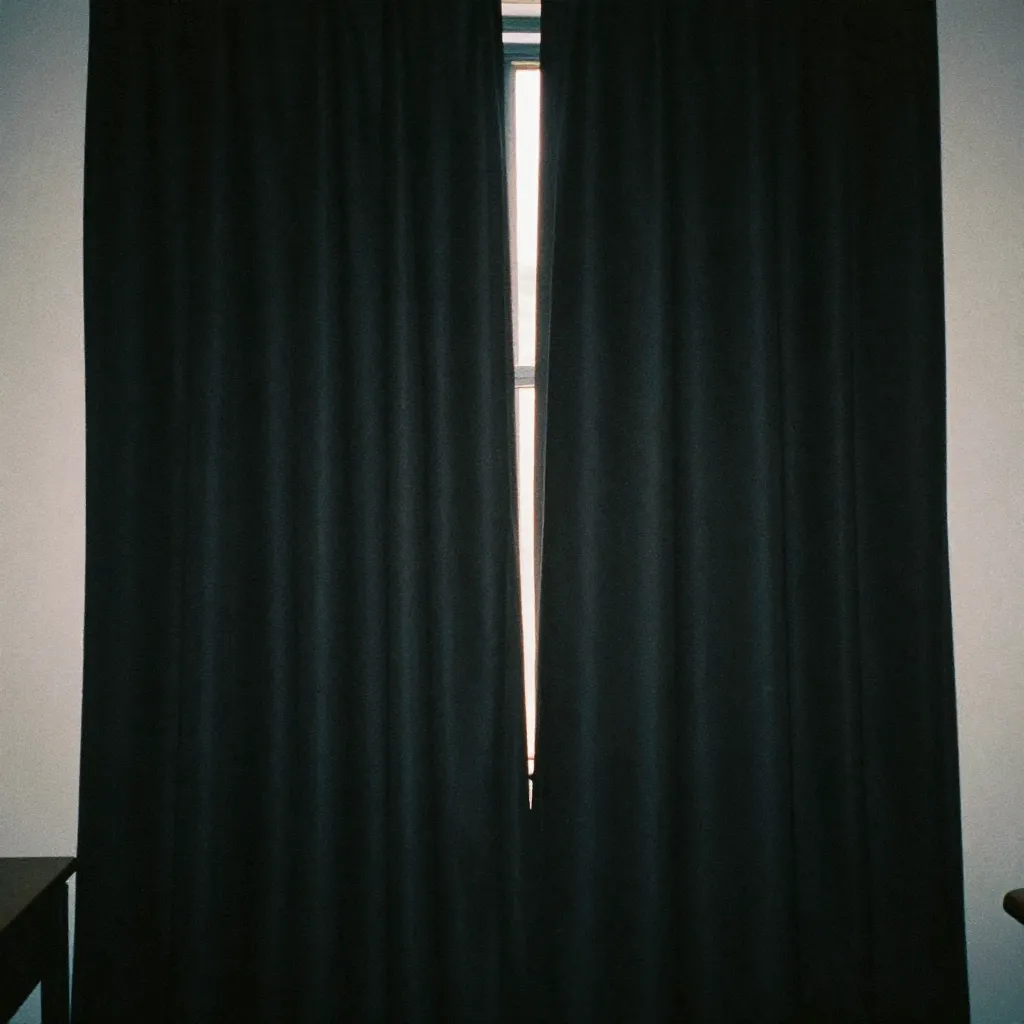
Place heavy curtains that extend at least 6 inches beyond window frames on all sides. For maximum effectiveness, curtains should reach the floor and create a seal when closed. Consider layered approaches with sheer curtains for daytime light and heavy thermal curtains for nighttime insulation.
Door Areas
Install door curtains or heavy drapes that cover the entire door opening. Pay special attention to balcony doors and exterior entrances. A well-placed rug directly inside the door creates an additional barrier against cold air entering from below.
Floor Coverage
Place rugs strategically on cold floors, especially above unheated spaces. Large area rugs work best, but smaller rugs can be layered in particularly cold spots. Ensure rugs cover high-traffic areas where you spend most time, as these benefit most from the added insulation.
Exterior Walls
Hanging heavy textiles on walls facing exterior spaces can reduce heat loss through walls. While less common than floor and window treatments, wall hangings provide additional insulation layers, especially in older buildings with less effective wall insulation.
Room-by-Room Strategy
Different rooms have different insulation needs based on their use, location, and exposure to exterior elements. Understanding these variations helps you prioritize where to invest in heavier textiles.
Living Areas
Focus on large windows and exterior-facing walls. Heavy curtains and substantial area rugs create comfortable spaces for extended use. Consider the balance between natural light and insulation needs.
Bedrooms
Prioritize window treatments for temperature control during sleep. Thick rugs provide comfort and insulation, especially important in rooms above unheated spaces or with exterior exposure.
Entryways
Create barriers against cold air entering from outside. Door curtains, entry rugs, and strategic placement prevent drafts from spreading throughout the home.
Measuring for Optimal Coverage
Proper measurement ensures textiles provide maximum coverage and effectiveness. When selecting curtains, measure window width and add 20-30% for proper fullness. For height, measure from rod to floor and add 2-3 inches for proper draping.
For rugs, consider the room's layout and furniture placement. Rugs should extend beyond seating areas and cover main traffic paths. In cold spots, larger coverage provides better insulation, but ensure rugs don't create tripping hazards or interfere with door operation.