Transform Your Home Into a Warm Sanctuary
Discover practical insulation techniques using rugs and heavy curtains to create a comfortable, energy-efficient living space.
Understanding Non-Structural Insulation
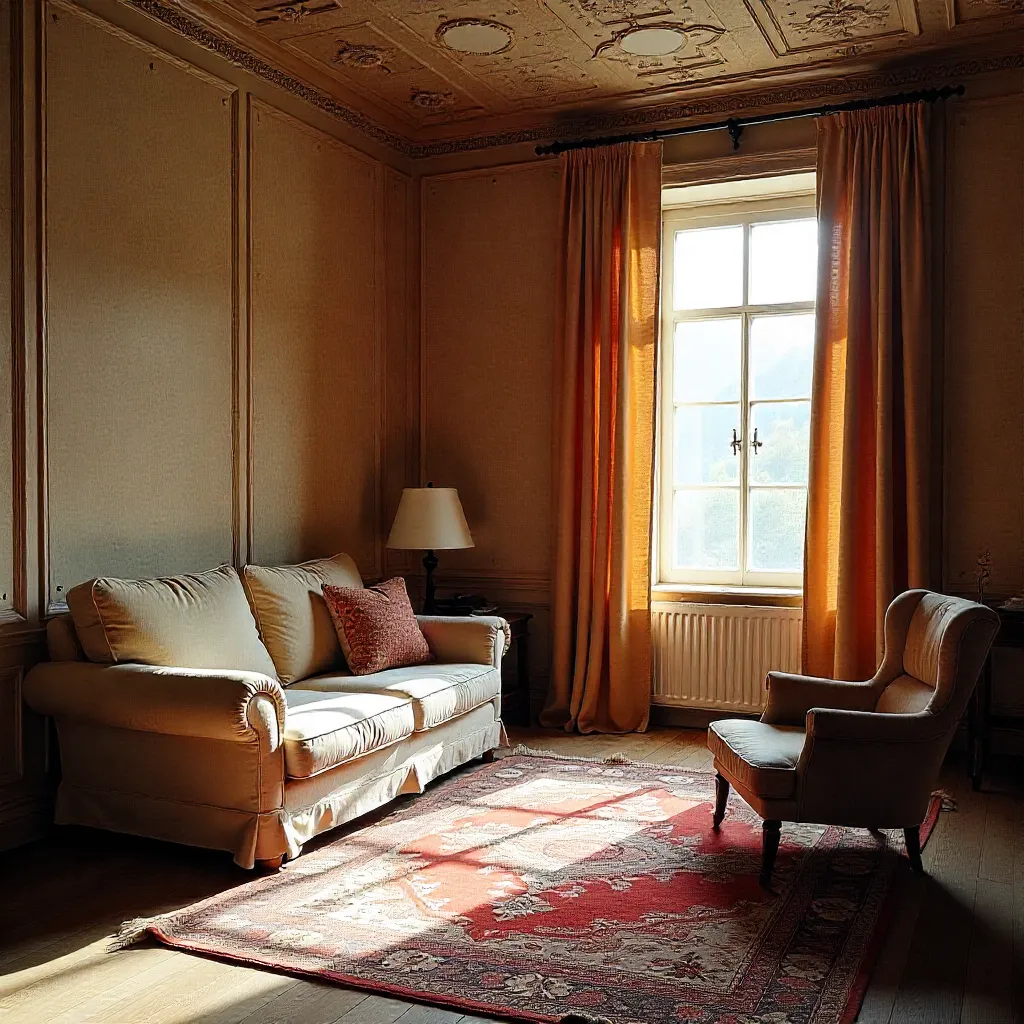
Non-structural insulation offers a flexible approach to improving your home's thermal comfort without major renovations. By strategically placing rugs and heavy curtains, you can significantly reduce heat loss through floors and windows.
This method is particularly effective in older buildings or spaces with large windows where traditional insulation may be challenging to install. The key lies in understanding how textiles trap air and create a barrier against cold drafts.
Why Textiles Work
Heavy fabrics create multiple layers of trapped air, which acts as an insulator. When properly placed, rugs prevent cold air from rising from floors, while thick curtains block heat transfer through windows and reduce drafts around frames.
Choosing the Right Materials

Not all textiles provide the same insulation value. The weight, density, and fiber type all play crucial roles in determining how effectively a material will retain heat.
Heavy wool rugs offer superior insulation due to their natural fiber structure and density. Similarly, curtains made from velvet, heavy cotton, or thermal-backed fabrics provide better protection against cold than lightweight materials.
When selecting materials, consider the room's specific needs. High-traffic areas benefit from durable, dense rugs, while bedrooms may prioritize softer, thicker options that also provide acoustic benefits.
Strategic Placement for Maximum Effect
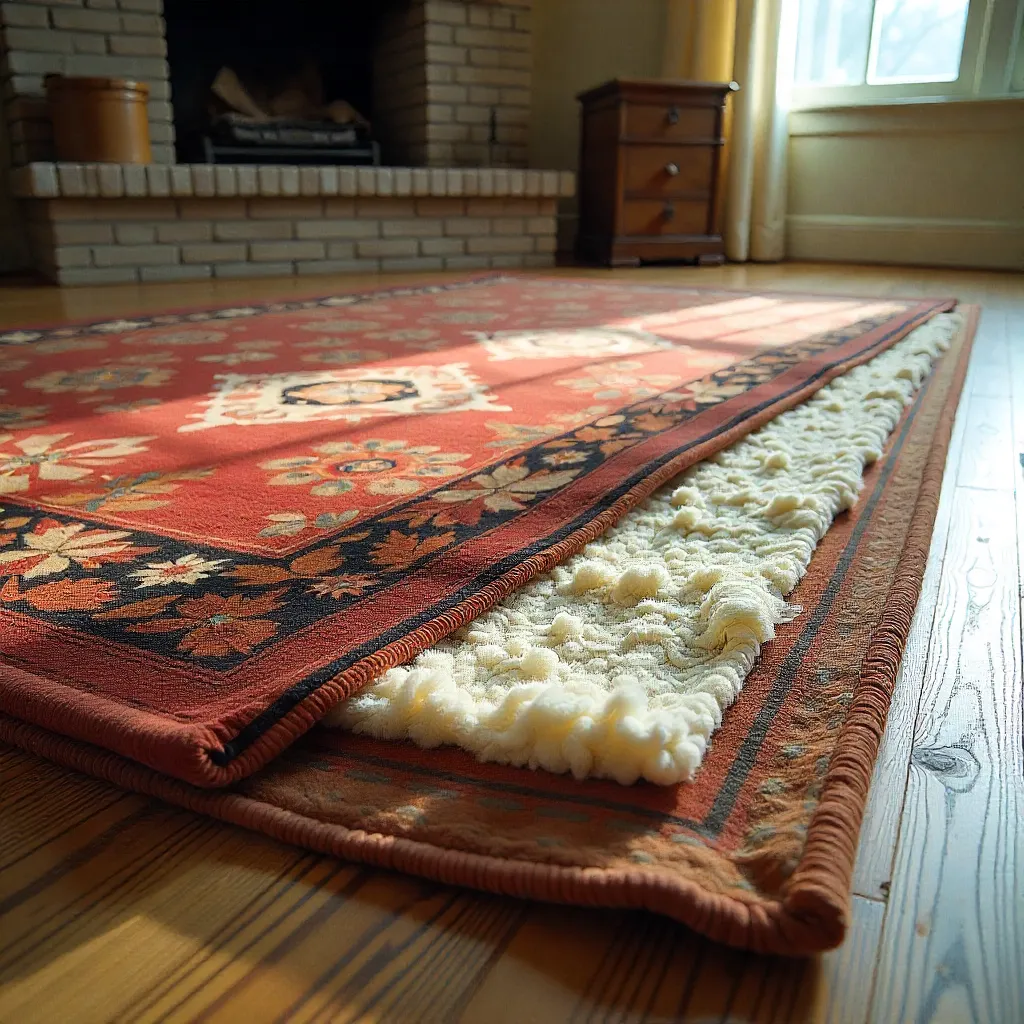
Placement is just as important as material selection. Understanding your home's cold spots helps you position textiles where they'll have the greatest impact.
Areas near exterior doors, large windows, and uninsulated walls benefit most from additional textile insulation. Placing rugs directly on cold floors creates an immediate barrier, while ensuring curtains fully cover window areas prevents heat loss.
Quick Tips
- Layer rugs in particularly cold areas for enhanced insulation
- Ensure curtains extend beyond window frames to prevent drafts
- Consider seasonal adjustments, swapping lighter textiles for heavier ones during colder months
- Pay special attention to areas above unheated spaces or near exterior walls
Seasonal Adjustments
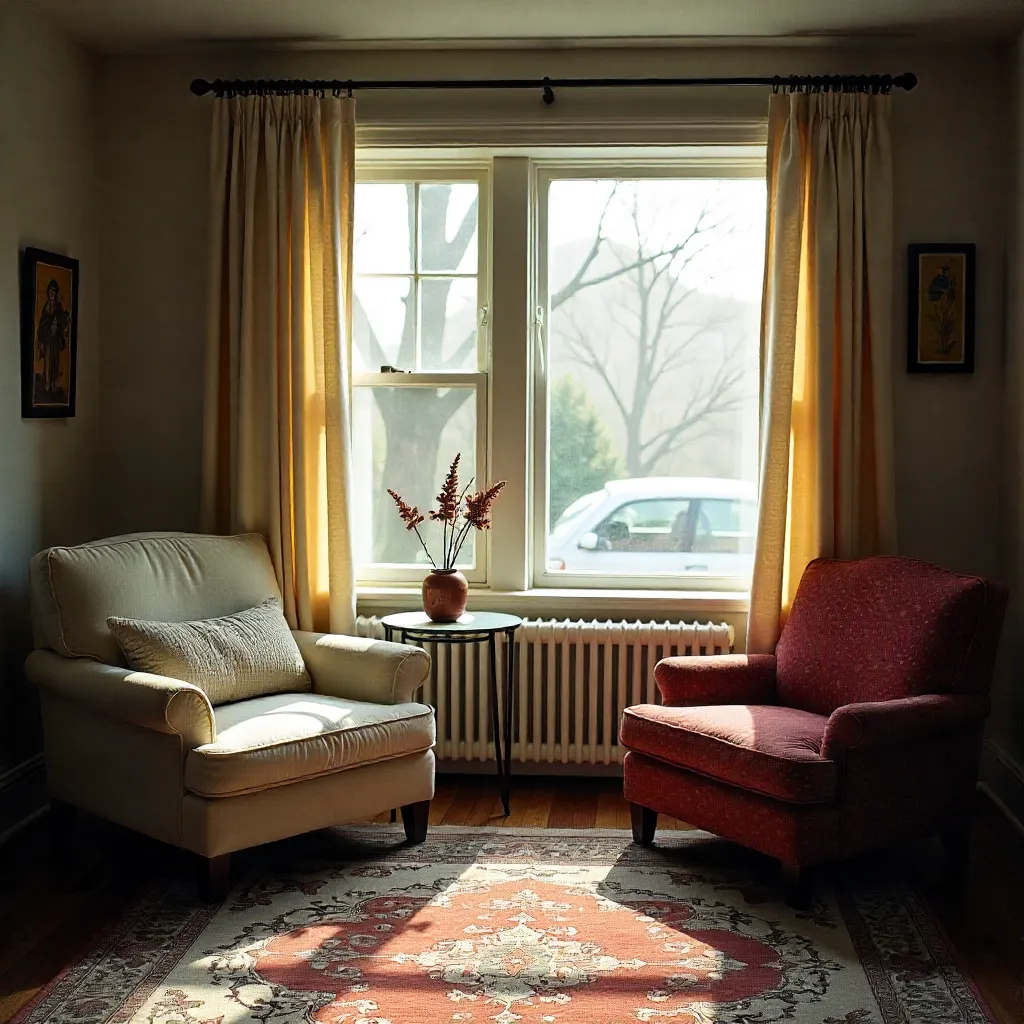
Your insulation strategy should adapt to changing seasons. What works during mild weather may need enhancement when temperatures drop significantly.
During colder months, consider adding extra layers or switching to heavier textiles. In warmer seasons, lighter options can maintain comfort while allowing better air circulation. This approach keeps your home comfortable year-round while optimizing energy efficiency.
Regular assessment of your textile insulation helps identify areas that need attention. Simple adjustments can make a noticeable difference in comfort and energy consumption.
Ready to Improve Your Home's Comfort?
Explore our detailed guides to learn more about fabric science, optimal placement strategies, and proper textile maintenance.
Get Started